

Start
Fiction Book Covers are more than just pretty designs. They are the first thing a reader notices, and often the reason they pick up a book. A great cover tells a story before the reader even opens the first page. It creates curiosity, sets expectations, and gives a glimpse into the world inside. Think about it. Have you ever chosen a book just because the cover looked amazing? That’s the power of a well-designed cover. It connects with readers instantly. It makes them feel something, and most importantly, it makes them want to read more. In this guide, we’ll explore how fiction book covers reflect the story inside, what makes them stand out, and how you can create a cover that truly represents your book.
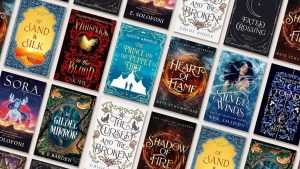
Fiction Book Covers: Why They Matter More Than You Think
When it comes to fiction book covers, first impressions truly matter. Before a reader reads a single word, they look at the cover and form an opinion. In just a few seconds, they decide if the book feels interesting, professional, or worth their time. Many readers may not even realize it, but they often judge a book by its cover.
A strong cover does much more than just look good. It works like a silent salesperson for your book. It pulls readers in, gives them clues about the story, and builds trust right away.
A well-designed cover can:
Grab attention instantly
In a crowded bookstore or online platform, your cover needs to stand out. Bold visuals and clear design help stop readers from scrolling past.
Communicate the genre clearly
Readers should understand what kind of story they are getting at a glance. For example, science fiction book covers often use dark backgrounds, glowing elements, and futuristic fonts. This instantly tells the reader the story involves technology or space.
Build an emotional connection
A good cover makes readers feel something before they even open the book. It might create curiosity, excitement, fear, or even comfort. That emotional pull is what makes someone pick up the book.
Increase the chances of a sale
When a cover looks polished and professional, readers trust the book more. This trust often leads to more clicks, more interest, and more sales.
For example, historical fiction book covers often use soft, vintage colors, classic fonts, and imagery like old buildings or period clothing. This helps readers step into a different time right away. In contrast, modern thrillers may use sharp contrasts, shadows, or bold typography to create tension.
Even though non-fiction book covers follow design principles, they usually focus more on clarity and information. Fiction covers, however, rely heavily on mood, emotion, and storytelling. They don’t just show what the book is about—they make readers feel what the story is about. That is what makes fiction covers so powerful. They are not just designs. They are the first glimpse into your story’s world.
How Fiction Book Covers Reflect the Story Inside
A good cover is not random. Every element has meaning. It gives readers clues about the story.
Here’s how it works:
-
Colors Set the Mood
Colors play a big role in storytelling. Dark colors suggest mystery or suspense. Bright colors feel fun or romantic. Soft tones can feel emotional or nostalgic.
For example, many popular fiction book covers in romance use warm colors like red or pink. Thrillers often use black, grey, or deep blue.
-
Images Tell a Story
The image on the cover often hints at the plot. It might show a character, a location, or a key symbol.
In book covers for fiction books, even a small detail can have meaning. A broken clock, a shadow, or a distant figure can create curiosity.
-
Fonts Show Personality
Typography matters more than most people think. Bold fonts feel strong and dramatic. Soft fonts feel gentle and emotional.
Many book covers of fiction bestsellers use simple but powerful fonts that are easy to read, even in a small size.
-
Layout Creates Balance
A clean layout helps the cover feel professional. Too many elements can confuse readers.
The best-selling covers keep things simple but meaningful.
Popular Fiction Book Covers and What We Can Learn
If you take a closer look at popular fiction book covers, you’ll start to notice a pattern. The most successful covers are not always the most complicated ones. In fact, they are often simple, clear, and very intentional in their design. Every element on the cover has a purpose, and nothing feels out of place.
So what makes these covers work so well?
They are simple and easy to understand
The best covers don’t overwhelm the reader with too many details. Instead, they focus on one strong visual idea. This makes the cover easy to process in just a few seconds, which is important when readers are browsing online or in a store.
They match the story’s genre perfectly
Successful covers clearly reflect the genre of the book. Readers should be able to tell if it’s a romance, thriller, fantasy, or mystery just by looking at it. This is why best-selling book covers fiction often follow certain visual styles that readers already recognize and trust.
They create curiosity without revealing too much
A great cover gives a hint of the story but leaves enough mystery to pull readers in. It might show a symbol, a character silhouette, or a dramatic scene without explaining everything. This balance between revealing and hiding is what makes readers want to know more.
They are easy to recognize, even as thumbnails
In today’s digital world, many readers first see a book as a small image on their screen. That’s why strong covers use bold fonts, clear titles, and high contrast. Even at a small size, the cover should still stand out and be readable.
Many popular fiction book covers follow these simple principles. They don’t try to include every detail from the story. Instead, they focus on one powerful idea that represents the book as a whole. For example, a single striking image paired with a bold, clean title can often have a stronger impact than a crowded design with too many elements. Simplicity makes the cover memorable, and memorability is what helps a book stay in the reader’s mind.
Different Styles of Fiction Book Covers
Not all covers look the same. Each genre has its own style. Choosing the right one matters.
Science Fiction Book Covers
These often include space, technology, or futuristic elements. Neon colors, glowing lights, and digital effects are common in book covers science fiction.
Historical Fiction Book Covers
These focus on the past. You may see old cities, traditional clothing, or soft vintage tones. These historical fiction book covers create a sense of time and place.
Fantasy Covers
Fantasy covers often include magical elements like dragons, castles, or glowing objects. They feel imaginative and larger than life.
Modern Fiction Covers
These are often minimal and clean. They focus on emotions, characters, or simple objects.
Book Covers for Fiction eBooks
Ebook covers need to stand out in small sizes. That’s why they use bold fonts, clear images, and strong contrast.
Fiction vs Non-Fiction Book Covers
There is a clear difference between fiction book covers and non-fiction book covers, and understanding this difference can help you design a cover that truly works for your book. While both types aim to attract readers, they do it in very different ways.
| Feature | Fiction Book Covers | Non-Fiction Book Covers |
| Main Purpose | Tell a story and create curiosity | Inform and explain the topic clearly |
| Focus | Emotion, mood, and imagination | Facts, value, and information |
| Design Style | Creative, artistic, and visually expressive | Clean, simple, and professional |
| Imagery | Symbolic visuals, characters, or scenes | Icons, charts, or topic-related images |
| Typography | Stylish and mood-based fonts | Bold, clear, and easy-to-read fonts |
| Reader Connection | Emotional connection | Logical connection |
| Goal | Make readers curious and intrigued | Show what the reader will learn or gain |
| Examples | Fantasy, romance, thriller covers | Self-help, business, educational books |
| Color Usage | Dramatic or mood-based colors | Neutral or topic-focused colors |
| Approach | Suggestive (hints at the story) | Direct (explains the content clearly) |
Both styles are important in their own way, but fiction covers have a unique challenge. They need to create curiosity instantly without giving too much away. A strong fiction cover acts like a doorway into another world, inviting the reader to step in and explore the story.
How Fiction Book Covers Influence Book Sales
Your cover can make or break your book’s success.
A strong cover:
- Attracts more clicks online
- Stands out in bookstores
- Builds trust with readers
- Encourages impulse buying
Many authors notice that after updating their cover, their sales improve. That’s because readers feel more confident picking up a book that looks professional. This is why book covers fiction bestsellers are carefully designed. They are not random. They are created to sell.
Should You Hire a Professional Cover Designer?
Short answer: Yes, if you can.
A professional designer understands:
- Market trends
- Reader psychology
- Genre expectations
- Visual balance and layout
While DIY tools are helpful, they often lack the polish needed for a competitive market. If you want your book to stand out among popular fiction book covers, working with a professional like us can make a big difference.
How to Choose the Right Style for Your Fiction Book Cover
Choosing the right style for your fiction book covers can feel overwhelming at first. There are so many design options, trends, and ideas. But the good news is, you don’t need to guess. With a clear approach, you can find a style that fits your story perfectly and attracts the right readers.
Here are some simple steps to guide you:
-
Study your genre
Start by looking at popular book covers fiction in your genre. Spend time browsing online stores or bookstores. Notice what stands out. Are the colors dark or bright? Are the fonts bold or elegant? Do the covers use people, symbols, or landscapes?
For example, science fiction book covers often include glowing lights, space scenes, or futuristic elements. Historical fiction book covers usually have soft tones, classic fonts, and vintage-style images. These patterns exist for a reason. Readers expect them. When your cover matches the genre, it instantly feels familiar and trustworthy.
-
Think about your story
Your cover should reflect the feeling of your story, not just the plot. Ask yourself, what should readers feel when they see your book? Mystery, excitement, romance, fear, or hope?
If your story is emotional, your cover should feel emotional. If it’s fast-paced and intense, your cover should show that energy. The goal is to make sure your design connects with the mood of your book.
-
Keep it simple
It’s easy to get carried away and add too many elements. But simplicity almost always works better. Focus on one strong idea, one main image, or one clear concept.
Many best-selling book covers fiction use minimal design. A single powerful image with a bold title can create a stronger impact than a crowded design. Simple covers are also easier to recognize and remember.
-
Test your design
Before finalizing your cover, get feedback. Show it to friends, beta readers, or writing groups. Ask simple questions:
- Does this look like a book you would pick up?
- What genre do you think it belongs to?
- What feeling do you get from it?
You can also test how your cover looks as a small thumbnail. This is important for book covers for fiction ebooks, where most readers first see your book online. If it stands out even in a small size, you’re on the right track.
Common Mistakes to Avoid
Even a great story can struggle if the cover design is weak. Many authors make small mistakes that reduce the impact of their fiction book covers. Being aware of these can help you avoid them.
-
Using low-quality images
Blurry or pixelated images instantly make your book look unprofessional. Readers may assume the content inside is also low quality. Always use high-resolution, clear images that look polished and sharp.
-
Choosing hard-to-read fonts
Fancy fonts may look attractive at first, but if readers can’t easily read the title, it becomes a problem. Your title should be clear, even from a distance or in a small thumbnail. Readability should always come first.
-
Overcrowding the design
Trying to include too many elements can make your cover look messy and confusing. Too many colors, images, or fonts can overwhelm the reader. A clean layout with enough space helps your design breathe and feel professional.
-
Ignoring genre expectations
Every genre has its own visual language. If your cover doesn’t match those expectations, readers may get confused. For example, a romance book with a dark, thriller-style cover might send the wrong message. Always align your design with your genre.
-
Copying other covers too closely
It’s okay to take inspiration from popular fiction book covers, but copying them too closely can make your book feel unoriginal. Readers appreciate fresh and unique designs. Aim for inspiration, not imitation.
NY Book Publishers Can Design Fiction Book Covers That Sell!
Your book deserves a cover that truly reflects your story. At NY Book Publishers, we help authors create fiction book covers that stand out and connect with readers. Whether you need covers for fiction ebooks, print books, or both, our team works with you to bring your vision to life. We also offer writing, editing, marketing, and publishing services, so your book gets complete support from start to finish. If you want a cover that not only looks great but also helps your book sell, we are here to help.
Let Your Book Cover Tell the Story
A great cover is not just decoration. It’s a powerful storytelling tool. The best fiction book covers capture emotion, reflect the story, and attract the right readers. We hope this guide helped you understand what makes a cover truly effective. Take your time, explore ideas, and focus on what makes your story unique. Remember, your cover is the first thing readers see. Make it count.
Frequently Asked Questions
Why are fiction book covers important?
Fiction book covers create the first impression. They grab attention, show the genre, and make readers curious. A good cover can make someone pick up your book instantly.
What elements make a good fiction book cover?
A good cover has a clear title, a strong image, and the right colors. It should match the story’s mood and be easy to read. Simple and clean always works best.
How does a fiction book cover influence book sales?
A great cover attracts more readers and builds trust. It makes people click, explore, and buy your book. A weak cover can turn readers away quickly.
Should fiction authors hire a professional cover designer?
Yes, if possible. A professional knows what works and can make your book look polished and market-ready. It’s a smart investment.
How can authors choose the right style for a fiction book cover?
Look at covers in your genre and follow the style readers expect. Think about your story’s mood and keep the design simple. Always get feedback before finalizing.