Starting
The first page of a book is more than just the start of your story it’s your book’s first impression. It’s the moment where readers decide if they want to keep turning pages or set your book aside. That’s why a strong first page matters so much. It grabs attention, sets the tone, introduces your voice, and gives readers a little taste of what’s to come.
Many new authors often ask, “what is the first page of a book called?” or “how do I start the first page of a book?” These are common questions because the first page can feel intimidating. Should you start with action, dialogue, or description? How much should you reveal right away?
Whether you’re writing fiction, non-fiction, or even the first page of a children’s book, this guide is here to make things simple and fun. We’ll walk you through practical tips, share clear examples, and give advice on formatting and content. By the end of this guide, you’ll feel confident about how to write the first page of a book in a way that draws readers in and makes publishers take notice. Think of this as your friendly roadmap to creating a first page that makes a reader say, “I have to keep reading!”
What Is the First Page of a Book and Why It Matters
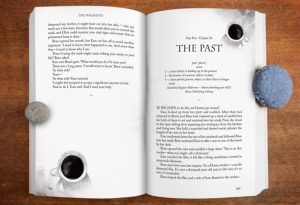
Many people ask, “what do you call the first page of a book?” The first page is often called the title page in printed books, though depending on the format, the first page can also include a dedication, a table of contents, or even a blank page. Some books also have a half-title page, which appears before the main title page.
The first page is more than just words on paper. It is your book’s first impression. It tells the reader:
- What type of story this is
- The tone and voice of the book
- The promise of what’s to come
For example, in a mystery novel, the first page might drop the reader directly into suspense or an intriguing event. In a children’s book, the first page might use bright, playful language or illustrations to immediately capture a child’s imagination. Even if it’s just a page of a book with the title and author’s name, it matters because it sets expectations. A poorly formatted or dull first page can make readers put the book down before they even get started.
How to Start the First Page of a Book
Starting the first page of a book can feel a little scary, even for experienced writers. After all, this is the page that sets the stage, hooks the reader, and gives your story its first chance to shine. But don’t worry—once you know the key steps, it becomes much easier to write a page that grabs attention. Here’s how you can approach it in a friendly, reader-focused way:
-
Hook the Reader Immediately
The first line of your book is your chance to make readers sit up and pay attention. You want to give them a reason to keep turning pages. This could be a surprising fact, a bold statement, a question, or a vivid scene. For example, opening with, “It was the day everything changed for Emily,” immediately sparks curiosity. Readers want to know what happened, why it matters, and how the story unfolds. In children’s books, you might start with something playful or funny, like, “Max’s hat was too big, but today he would make it fit.” The key is to pull readers in right from the first sentence.
-
Set the Tone and Mood
Your first page also introduces the tone of your book. Is your story suspenseful, heartwarming, funny, or dramatic? Readers pick up on tone instantly, so make sure your opening lines reflect the overall mood. For instance, a cozy mystery might start with something gentle yet intriguing, while a thriller might throw readers directly into tension or danger. By setting the mood early, you give readers a clear sense of what to expect from the story.
-
Introduce a Character or Idea
Even a single sentence about your main character or central idea can make readers feel connected. Think about giving a small glimpse of who your protagonist is, what they want, or the world they inhabit. For example, “Sophie had never seen the city so quiet, and it made her uneasy.” This hints at character and setting without revealing too much. Introducing a character or concept early helps readers form a bond and care about what happens next.
-
Keep It Clear and Engaging
The first page should feel natural, like a conversation between you and your reader. Avoid long, complicated sentences that might slow down the pace. Short, clear sentences are easier to read and more inviting. Imagine you are reading the page aloud to someone—does it flow? If it sounds awkward when spoken, it may need refining.
-
Give a Taste of the Story
You don’t need to reveal everything right away. Instead, provide a hint of the plot, a question, or a small conflict that makes readers curious. For example, in a thriller, your first page might start mid-action: “The door slammed behind her, and she knew someone was following.” This immediately raises questions: Who is following? Why? What will happen next? By teasing the story without giving it all away, you encourage readers to continue turning the pages.
By combining these strategies, your first page of a book can immediately grab attention, introduce characters and mood, and leave readers eager for more. Think of it as a handshake—it’s your first chance to make readers feel welcome and excited about the journey ahead.

First Page of a Children’s Book
Writing the first page of a children’s book is a special skill. Kids have short attention spans, so your opening needs to:
- Be playful and imaginative
- Include engaging illustrations if possible
- Use simple, rhythmic, or repetitive language
- Introduce the main character or setting quickly
For example, a first page of a book example for children might read:
“Lucy’s shoes were too big, and her hat was too tall, but today was going to be the best adventure yet!”
This immediately introduces character, tone, and story in a fun way.
Tips for Writing on a Page That Grabs Readers
When thinking about how to write the first page of a book, it’s important to remember that every word, sentence, and paragraph plays a role. The first page sets the tone, introduces the story, and convinces readers to keep going. Here are some practical tips to make sure your opening page is as engaging as possible:
-
Start in the action
Instead of giving readers a long backstory or explanation, drop them directly into an interesting scene or moment. Starting with action immediately hooks the reader and makes them want to find out what happens next. For example, instead of writing about a character’s childhood, start with a moment of tension or excitement: “Rain poured down the streets as Clara sprinted after the thief.” Action doesn’t always mean danger—it could also be a surprising event, a funny mishap, or a moment of wonder.
-
Keep paragraphs short
Large blocks of text can be intimidating, especially for new readers or younger audiences. Short paragraphs make your page easier to read and help maintain a smooth pace. Try to break up long sentences into smaller chunks and keep each paragraph focused on one idea, action, or piece of dialogue. Even a few lines on a page can feel dynamic if spaced well.
-
Show, don’t tell
Instead of explaining everything, use vivid imagery, sensory details, and dialogue to pull readers into the scene. For example, rather than saying, “It was a scary night,” show the reader: “Shadows stretched across the empty street, and the wind howled like a wolf.” Showing helps readers experience the story, rather than just reading about it, and makes your first page more memorable.
-
Be consistent
The voice and tone on your first page should match the rest of the book. If you start with a dramatic or suspenseful tone, keep it consistent. If your story is humorous or lighthearted, that should come through from the very first page. Consistency helps readers feel grounded and creates trust—they know what kind of experience to expect.
-
Edit ruthlessly
Every word counts on the first page. Cut unnecessary phrases, remove filler words, and polish your sentences until they feel smooth and engaging. Even small touches like spacing, punctuation, and font choices can affect how your page feels. A clean, readable first page immediately communicates professionalism and care, inviting readers to dive into your story.
By following these tips, you can make the first page of your book lively, clear, and irresistible. Think of it as your story’s welcome mat—it should make readers feel excited, curious, and ready for the adventure ahead.
Examples of the First Page of a Book
Looking at real examples can help:
- Mystery/Thriller: “It was the night the storm came, and Detective Harris had no idea what awaited him at the old mansion.”
- Romance: “Sophie didn’t believe in love until she saw him standing under the old oak tree.”
- Children’s Book: “Tommy’s rocket ship wasn’t ready for takeoff, but he didn’t care. Today, he was going to the moon!”
Each example shows how the first page can:
- Hook the reader
- Introduce tone
- Hint at story or conflict
Common Mistakes to Avoid on the First Page
Even experienced authors sometimes stumble when writing the first page of a book. It’s easy to make mistakes that can turn readers away before they’ve had a chance to connect with your story. Here are some common pitfalls to watch out for, along with tips on how to avoid them:
-
Starting with a long exposition or history
Many writers feel tempted to explain the character’s background or the world’s history right away. While context is important, dumping too much information on the first page can overwhelm readers. Instead, weave details naturally into the story as it unfolds. Let readers discover the world and characters through action, dialogue, and small hints rather than long paragraphs of explanation.
-
Introducing too many characters at once
Your first page should focus on one main character or a central idea. Throwing multiple characters into the opening can confuse readers and make it hard for them to connect. Introduce new characters gradually, giving each one room to shine. Remember, readers need a point of entry—a character to care about—before the story expands.
-
Using confusing or overly complex sentences
Long, complicated sentences with heavy descriptions can slow the pace and make readers lose interest. Keep your sentences clear and readable. Imagine you’re talking to someone—your first page should flow like a conversation, not a textbook. Short, punchy sentences often feel more natural and keep readers engaged.
-
Not engaging the reader’s curiosity
Your first page should spark questions in the reader’s mind. If nothing interesting or unusual happens right away, readers may lose interest. Start with a small conflict, an intriguing event, or a surprising statement that makes readers want to know more. Curiosity is one of the strongest reasons people keep reading.
-
Ignoring formatting, fonts, or spacing
Even if your writing is excellent, poor formatting can make the page look unprofessional. Crowded text, inconsistent fonts, or odd spacing can distract or frustrate readers. A clean, visually appealing page helps readers feel comfortable and invites them to continue reading.
By avoiding these mistakes, your book’s first page can be clear, engaging, and polished. Think of it as the doorway into your story—if the entrance is inviting, readers will happily step inside.
NY Book Publishers Is Here to Make Your First Page Count
Writing the first page of a book can feel challenging, but you don’t have to do it alone. At NY Book Publishers, we help authors create openings that immediately grab readers’ attention. Whether you’re struggling with the first lines, formatting, or setting the right tone, our team can guide you every step of the way.
We also offer full book publishing support from editing and book cover design to marketing and distribution. That means your first page won’t just shine on its own; your entire book will be polished and professional. With NY Book Publishers by your side, your story starts strong and keeps readers turning pages.
Make Your First Page Count!
Your first page of a book is your chance to hook readers, set the tone, and make a strong first impression. Whether it’s fiction, nonfiction, or a children’s book, starting well can make the difference between readers putting your book down or turning the page. We hope this guide has given you practical tips, examples, and inspiration to start the first page of your book with confidence. Take your time, experiment with openings, and remember: the first page is your story’s first handshake with readers. Make it unforgettable.
Common Questions About the First Page of a Book
Many authors are unsure about what should appear on the first page. Here are some answers to common questions:
-
What is the first blank page of a book called?
Often referred to as a half-title page or front blank page, it usually appears before the main title page.
-
What should be in the first page of a book?
It can include the title, author, publisher, dedication, or the start of the story itself. The key is clarity and a professional look.
-
What makes a good first page?
A strong first page captures attention, sets tone, introduces key elements, and encourages the reader to continue.
-
How do I format the first page of a book?
Keep margins consistent, use readable font, and place title and author information clearly. For fiction, the first line of the story often starts on the right-hand page after the title page.
-
What are the 8 parts of a book?
Typical book sections include: half-title, title page, copyright page, dedication, table of contents, foreword or preface, the main body, and appendices or index.