Overview
Thinking about writing a book can be both exciting and intimidating. Maybe you’ve always had a story to tell, a piece of life experience to share, or a passion you want to turn into a guide for others. But the big question often is: how to begin writing a book? This initial step can feel overwhelming, especially if you’re unsure where to start or if your idea is strong enough. Many aspiring authors get stuck right at the beginning, wondering if they need to be perfect from day one or how to organize their thoughts. The truth is, every successful author has faced these same doubts. The secret is having a clear, simple framework that guides you from the first idea to your finished manuscript.
Whether you want to write about your life, create a fiction story, or share your expertise, knowing how to start writing a book makes the process less stressful and more rewarding. In this article, we’ll explore a proven step-by-step approach designed for beginners and seasoned writers alike. By following these strategies, you’ll gain confidence and clarity on how to begin your writing journey, no matter where you are now. So, if you’re ready to turn your ideas into a compelling book, let’s dive in and discover how to make that first, crucial step.

How to Begin Writing a Book With the Right Foundation
Before you write a single word, it is important to build a strong foundation. Many authors rush into writing with excitement, but without a clear direction. This often leads to confusion, stalled progress, or an unfinished manuscript. A solid foundation gives your book purpose and keeps you focused from start to finish.
Begin by asking yourself three essential questions. First, why do you want to write this book? Your reason could be to share a story, teach something valuable, or inspire others. This purpose becomes your motivation when writing feels difficult. Second, who is this book for? Think about your ideal reader. Understanding their needs, interests, and challenges helps you write in a way that truly connects. Third, what change should the reader feel by the end of the book? Whether it is clarity, hope, confidence, or knowledge, this transformation shapes your message.
When these answers are clear, every chapter has direction. You know what to include and what to leave out. You stop guessing and start writing with intention. If you are asking how do I start writing a book, the real answer begins with clarity, not chapter one.
How to Begin Writing a Book by Understanding Book Writing Basics
Book writing becomes much easier once you understand one simple rule. You must finish the draft before you start book editing. Many writers slow themselves down by fixing sentences as they write. This habit breaks focus and creates self-doubt. A first draft is not meant to be perfect. It is meant to exist.
Think of book writing as building a house. You would never repaint a wall before it is built. Writing works the same way. You create the structure first, then refine it later. When you give yourself permission to write badly, ideas flow more freely. This mindset removes pressure and helps you reach the final page.
Once you accept that early drafts can be messy, writing stops feeling intimidating. Progress matters more than polish at this stage.
How to Begin Writing a Book for Beginners Without Pressure
Writing a book for beginners should feel simple and realistic. Many new authors quit because they set goals that feel too heavy. You do not need long writing sessions to make progress. You need consistency that fits your life.
A beginner-friendly routine focuses on small, repeatable steps. Writing 300 to 500 words in one session is enough. Choose a time you can commit to daily or several times a week. Ignore grammar, spelling, and structure while drafting. Those details belong to the editing stage.
Small sessions reduce fear and build confidence. As confidence grows, momentum follows. Over time, those small word counts turn into full chapters. This method works for both fiction and nonfiction writers because it protects energy and keeps writing enjoyable.
How to Begin Writing a Book by Choosing the Right Idea
Many writers struggle not because they lack talent, but because they choose ideas that feel overwhelming. Big ideas often create pressure and fear. Strong book writing ideas stay focused and clear.
The best ideas usually come from real experiences and knowledge. Personal stories, professional expertise, life lessons, and questions people often ask you are all strong starting points. These ideas already hold meaning and connection.
If you are learning how to begin writing a book about your life, avoid telling your entire story at once. Choose one phase, challenge, or lesson. Readers connect more deeply with specific moments than with broad timelines. Depth builds trust and emotional impact.
Outline for Writing a Book: Your Blueprint for Success
An outline is the foundation of your book. It helps organize your thoughts and ensures your story flows well. An outline gives your writing direction and removes uncertainty. Without one, many authors lose focus halfway through their book. A simple outline keeps you moving forward.
A basic outline for writing a book includes a clear opening, a central problem or theme, key chapters that develop the message, and a meaningful conclusion. You do not need detailed notes for each chapter. You only need a clear order.
Outlining creates a visible path. When you sit down to write, you know what comes next. This reduces hesitation and keeps momentum strong. With an outline in place, writing feels guided instead of overwhelming. Here’s a simple way to create an effective outline:
- Start with a thesis or main idea. What is the big message?
- Break your book into chapters or sections. Each should cover a specific aspect.
- List key points for each chapter. These are your subtopics or scenes.
- Add details or examples. These make your chapters richer.
Having an outline keeps you focused. It also makes writing less overwhelming because you work on small parts at a time.
How to Begin Writing a Book by Following Clear Steps
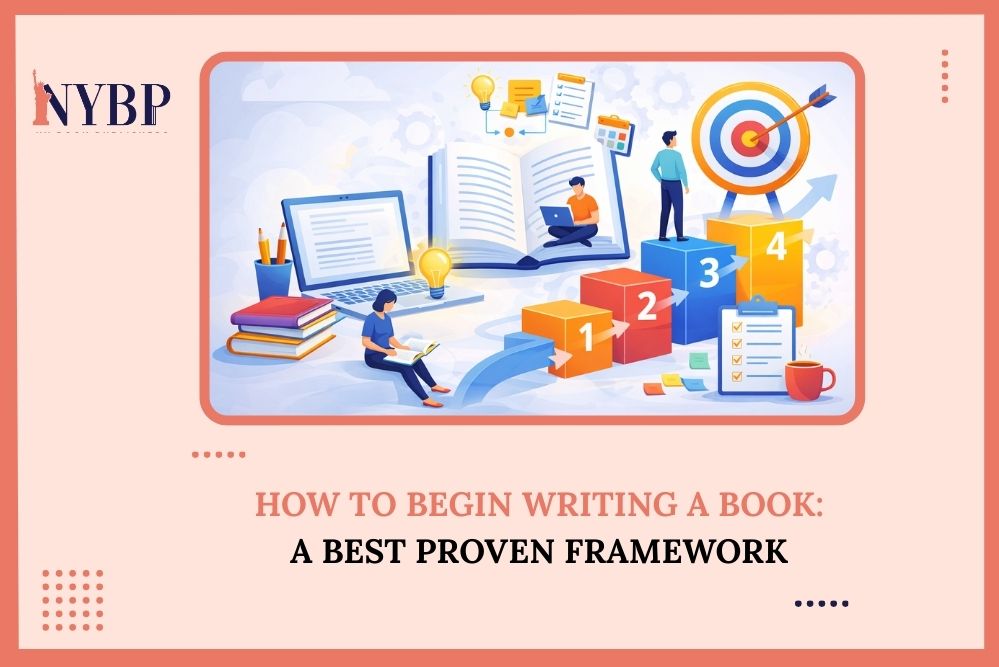
A clear process removes confusion and keeps you moving forward. These steps to writing a book help you stay focused from idea to draft.
-
Decide your goal
Be clear about why you are writing this book. Is it to teach, inspire, share a story, or build authority? A clear goal shapes your tone, structure, and message. When the goal is clear, decisions become easier.
-
Define your audience
Picture one specific reader. Think about their problems, questions, and expectations. Writing to everyone weakens your message. Writing to one clear reader makes your book stronger and more relatable.
-
Choose one main idea
Every book needs one central idea. This idea holds the chapters together. Avoid mixing too many themes. A focused idea helps readers understand and remember your message.
-
Create a simple outline
Break your main idea into chapters or sections. Arrange them in a logical order. Your outline does not need detail. It only needs direction, so you never wonder what to write next.
-
Write without editing
Let your first draft be messy. Do not fix grammar or wording while writing. Editing too early slows progress and kills confidence. Your only goal here is to finish.
-
Revise after finishing
Editing comes after the full draft is done. This is where you refine language, improve flow, and strengthen clarity. Revision works best when the full story already exists.
Following these steps keeps writing simple, structured, and achievable. Each step supports the next and helps you finish your book with confidence.
Book Writing Ideas to Spark Your Creativity
If you’re wondering, “How do I start writing a book,” looking for ideas can help. Here are some popular book writing ideas:
- Personal memoirs or life stories
- How-to guides or instructional books
- Fiction stories or novels
- Poetry collections
- Business or self-help books
- Travel adventures
Pick a topic that you feel passionate about. Writing about what you love makes the process more fun and authentic.
Do You Underline Book Titles When Writing?
A common question in book writing is whether to underline book titles. The answer depends on the context. When writing by hand, underline titles to indicate italics. When typing, use italics for book titles. For example, The Great Gatsby.
In formal writing, italics are preferred for book titles. But in casual writing or notes, underlining works too. The key is consistency. So, if you’re thinking about how to begin writing a book, remember to style your titles correctly.
Writing a Book for Beginners: Tips to Get Started
If you’re new to book writing, it’s completely normal to feel unsure or overwhelmed. Many writers have been in your shoes, wondering how to turn their ideas into a finished book. The good news is, everyone starts somewhere, and with a few practical tips, you can begin your writing journey with confidence. Here are some detailed tips to help beginners get started:
-
Keep It Simple and Focused
When starting out, don’t try to tackle everything at once. Pick one main idea or theme that excites you. For example, if you want to write about your life, focus on a specific period or lesson. If you’re writing fiction, concentrate on your core story or characters. Keeping your focus narrow makes it easier to stay motivated and prevents you from feeling overwhelmed by trying to do too much at once.
-
Write Regularly, Even in Small Batches
Consistency is key. Set aside a dedicated time each day or several times a week to write. Even just 10 to 15 minutes can make a big difference. The goal isn’t to produce a perfect paragraph every time but to develop the habit of showing up and putting words on paper. Over time, these small sessions add up and help you build momentum.
-
Don’t Aim for Perfection on Your First Draft
Many beginners get stuck trying to write a perfect first draft. Remember, your first version is just your starting point. Don’t worry about spelling, grammar, or style. Focus on getting your ideas down. You can always go back and revise later. The most important thing is to keep moving forward, even if what you write isn’t perfect.
-
Read Books in Your Genre
Reading is a vital part of learning how to write a book. Pay attention to how your favorite books are structured. Notice how chapters flow, how dialogue sounds, or how scenes are built. This helps you understand what works and gives you ideas for your own writing. Reading also inspires you and keeps your creative juices flowing.
-
Join a Writing Group or Find a Supportive Buddy
Writing can be lonely, especially when you’re just starting out. Joining a writing group or finding a buddy who shares your goals can boost your motivation. Sharing your progress, receiving feedback, and encouraging each other makes the process more enjoyable and keeps you accountable. There are many online communities and local groups where writers gather.
-
Consider Professional Book Writing Services
If you feel unsure about your skills or need extra help, professional book writing services can be a valuable resource. They offer editing, coaching, and guidance to shape your manuscript into a polished book. Hiring professionals can save you time, help improve your writing, and give you confidence that your book is in good hands.
-
Celebrate Small Wins and Keep Going
Writing a book is a marathon, not a sprint. Celebrate every milestone—completing a chapter, reaching your word count goal, or finishing a first draft. These small victories keep you motivated to continue. Remember, the most important step is just to start. You don’t have to have everything perfect from the beginning. Just keep writing, and the rest will follow.
Taking these detailed tips into account will help you build a strong foundation as you begin your book-writing journey. The key is to stay patient, persistent, and enjoy the process of creating something meaningful.
Say Goodbye to Stress and Handle Everything in One Place With NY Book Publishers
At NY Book Publishers, we make book writing simple and stress-free. You do not have to juggle writers, editors, designers, and book marketers. We do it all under one roof. Our team helps shape your idea, writes your book in your voice, edits it with care, designs a professional cover, publishes it on the right platforms, and markets it to the right readers. From start to finish, we guide you at every step, so you can enjoy the process while we turn your idea into a polished, ready-to-sell book.
Start Writing Your Book!
Learning how to begin writing a book is less about skill and more about structure. When you follow a proven framework, writing feels possible. Ideas turn into chapters. Chapters turn into books. If you want expert guidance, NY Book Publishers is ready to support your book writing journey from the first idea to final publication. Your book deserves to be written. Don’t let fear or confusion stop you. Break the process into manageable steps, stay consistent, and seek support if needed. Before you know it, your story will be ready to share with the world.
Happy Writing
Frequently Asked Questions
How do I start a book with no experience?
Start with a simple idea and a clear reason for writing. You do not need experience to begin. Write freely without worrying about perfection. Focus on finishing your first draft. Skills improve as you write, not before.
What do most writers struggle with?
Most writers struggle with self doubt and consistency. They often worry about quality too early. This slows progress. The key is to write first and edit later. Momentum matters more than perfection.
What is the hardest part of being an author?
The hardest part is staying committed until the book is finished. Many authors start strong but lose direction halfway. A clear plan and support system make finishing much easier.
How do I avoid run on sentences?
Keep your sentences short and clear. Share one idea per sentence. Read your writing out loud. If you need to take a breath, split the sentence into two.
What should I do first if I want to write a book?
Begin by deciding why you want to write and who the book is for. This clarity shapes every chapter. Once you know your purpose, outlining and writing become much easier.