Overview
Buying the wrong book edition can cost you more than just money. It can waste your time, affect your research, and even damage your credibility as an author or student. Many readers assume all editions are the same, but that is rarely true. Different editions often include updated facts, revised chapters, new references, or removed content. Page numbers can change, covers can vary, and older editions may miss important revisions that newer versions include.
Learning how to find the edition of a book before you buy helps you avoid these problems. It allows you to choose the version that fits your needs, whether you are studying, writing, collecting, or publishing. In this guide, I will walk you through clear and simple ways to identify book editions with confidence. You will learn where to look inside a book, how to check listings online, and which details matter most. Whether you are buying textbooks, research materials, reference books, or collector editions, this step-by-step approach will help you make the right choice every time.
How to Find the Edition of a Book Using the Copyright Page
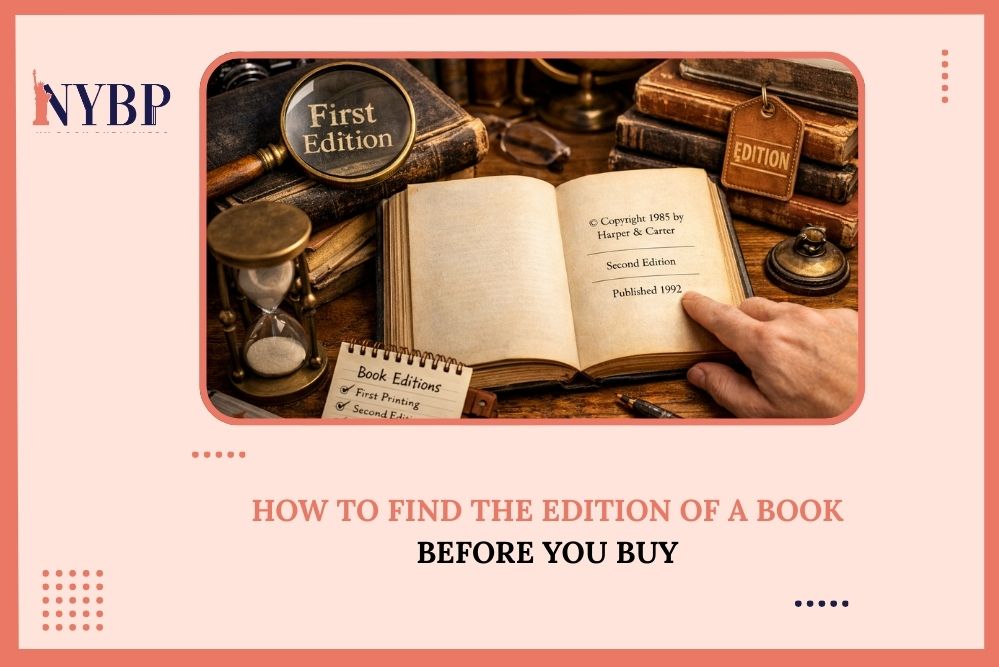
The simplest and most reliable way to learn how to find the edition of a book is by checking the copyright page. This page appears right after the title page in almost every printed book. Many readers skip it, but authors and serious buyers should always start here.
On the copyright page, publishers clearly list important publishing details. Look closely for phrases such as First edition, Second edition, Revised edition, or Updated edition. These terms tell you exactly which version you are holding. You may also see a publication history that shows multiple dates. For example, a book might say First published in 2018 and Second edition published in 2022. This means the book was updated, revised, or expanded after the first release.
Another detail to notice is the number line. Some books include a string of numbers like 10 9 8 7 6 5 4 3 2 1. If the number 1 appears, it often means first edition. If the lowest number is 2, then you are holding a second edition or later printing. This small detail helps authors, collectors, and researchers confirm edition accuracy.
Authors should always check the copyright page when citing sources or studying reference books. Page numbers, chapter order, and even facts can change between editions. Using the wrong edition can lead to incorrect citations or outdated information.

Where to Find the Edition of a Book on the Title Page
Sometimes, book publishers place edition details directly on the title page. This is common in textbooks, academic books, manuals, and professional guides. When learning how to tell what edition a book is, the title page offers a quick answer.
Look beneath the book title or author name. You may see phrases such as Third Edition, Revised and Expanded Edition, or International Student Edition. These labels usually signal that the book includes changes from earlier versions. An expanded edition often means new chapters or added research. A revised edition suggests updated content or corrected information.
International editions also matter. While they may share similar content, they sometimes differ in pagination, binding quality, or layout. Authors should note this when referencing or quoting material.
Checking both the copyright page and title page gives you the clearest answer. Together, they remove confusion and help you confirm exactly which version you are buying or using. This simple habit saves time, prevents mistakes, and ensures you always work with the right edition.
How to Find the Edition Number of a Book Using the Number Line
Many books do not clearly say the edition in words. Instead, publishers use a number line. At first glance, this line looks confusing, but once you understand it, it becomes very helpful.
A number line usually appears on the copyright page. It looks something like this:
10 9 8 7 6 5 4 3 2 1
The lowest number in the line tells you the printing. If the number 1 is present, the book is from the first printing. If the 1 is missing and the lowest number is 2, the book comes from the second printing. For example, a line that reads:
2 3 4 5 6
Shows that the book is from the second printing.
Some publishers use longer or shorter number lines, but the rule stays the same. Always look for the lowest number. This method helps you understand how to find the edition number of a book when clear labels are missing. It is important to remember that printing and edition are not the same.
A book can have multiple printings without changing editions. New editions usually include updated content, corrections, or added material. Still, the number line gives authors, collectors, and buyers useful clues about how to tell what edition a book is and how early that copy was produced. Checking the number line is a smart habit, especially when accuracy or value matters.
How to Tell the Edition of a Book by ISBN
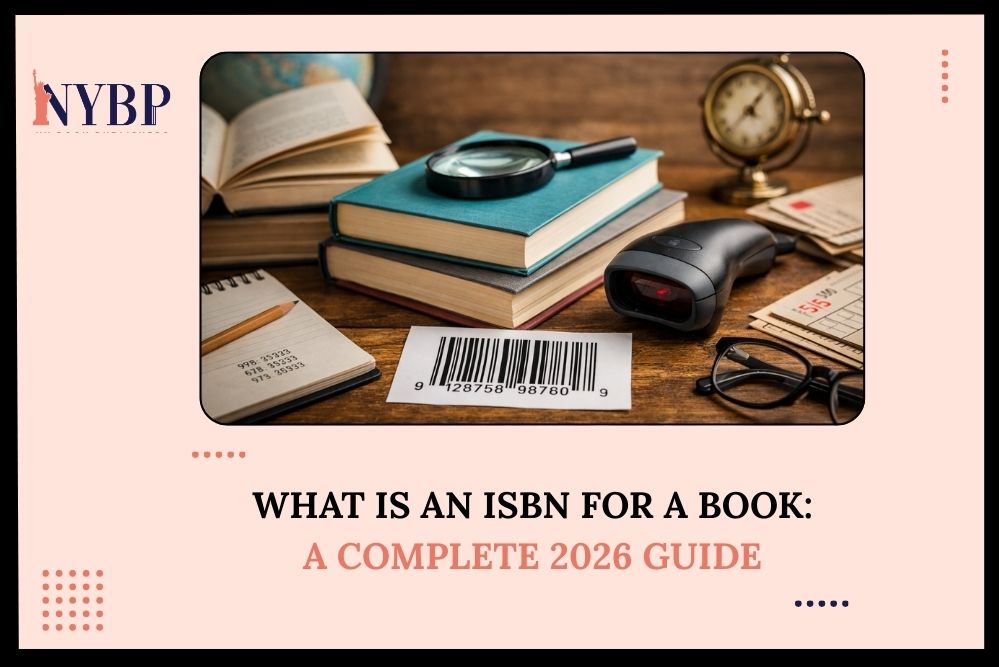
ISBN numbers change when editions change. Each edition has its own ISBN. Here are the following steps that you should follow if you want to find the correct edition of the book by ISBN:
- Locate the ISBN on the back cover or copyright page
- Search the ISBN online
- Compare publication details
If the ISBN matches a revised version, you have found the correct edition. This method works well when buying books online and trying to confirm the edition of the book accurately.
How to Find the Latest Edition of a Book Online
Finding the latest edition matters for authors, researchers, and students. Older editions may include outdated facts or missing chapters.
To find the latest edition:
- Visit the publisher’s website
- Search the book title with “latest edition.”
- Compare publication years
Amazon also lists edition details under “Product Information.” Always check the publication date. The newest year usually means the latest edition.
How Do You Know What Edition a Book Is When Buying Online
Online listings can easily confuse buyers, especially when sellers reuse old descriptions for newer versions. This makes it harder to know exactly which edition you are purchasing. When buying online, taking a few extra minutes to check details can save you time and money.
- Start by reading the full product description instead of skimming the title. Many sellers mention the edition in the details section.
- Next, check the ISBN carefully and match it with the edition you need. Even small ISBN differences often point to different versions of the same book.
- Preview images are also helpful. Look closely at photos of the copyright page or title page if they are available.
- Customer questions and reviews provide another layer of clarity. Buyers often mention which edition they received or warn others about mismatches. These real experiences help you understand how to tell the edition of a book when listings are unclear.
By following the above simple steps, you reduce the risk of ordering the wrong version and gain confidence in how to know what edition a book is when shopping online.
How to Tell What Edition a Book Is Using Publisher Information
When you need accurate information, the publisher is one of the most reliable sources. Publishers keep detailed records of every edition they release. Visiting the publisher’s official website often gives clear and updated answers that third-party sellers may miss.
Look for a publication history section on the book’s page. Many publishers list an edition timeline that shows when each version was released. You may also find revision notes that explain what changed between editions. These notes help you understand whether the updates affect content, structure, or references.
This method works especially well for academic authors and nonfiction writers. Reliable sources matter when citing research or recommending books to readers. Checking publisher information removes guesswork and helps you confidently tell what edition a book is before buying or referencing it.

How to Find the Edition of a Book for Textbooks
Textbooks change more often than other books. Even small updates can affect page numbers, examples, and assignment questions. Using the wrong edition can lead to confusion or incorrect answers.
Always match the edition number exactly with what your course or syllabus requires. Compare cover designs, since publishers often change colors or layouts with new editions. Checking chapter titles also helps, as new editions may add, remove, or rename chapters.
Never assume an older edition works the same as a newer one. This step matters when learning how to tell the edition of a book for education, exams, or academic citation.
How to Know If a Book Is a Special Edition
Special editions differ from standard editions in purpose and value. These versions often include signed copies, limited print runs, collector-style covers, or bonus content not found elsewhere.
Look for clear phrases like “Special Edition,” “Limited Edition,” or “Anniversary Edition” on the book or listing. These labels usually appear on the cover, copyright page, or product description.
Collectors and authors should always verify authenticity. Checking the ISBN and confirming details through publisher records helps ensure the book is genuine and not mislabeled.
Difference Between Edition and Printing Explained Simply
Many readers confuse edition with printing, but they mean different things. An edition refers to changes in content. A printing means the same content was printed again due to demand.
A second printing of a first edition is still the first edition. No new content exists unless the edition changes. Understanding this difference helps authors choose the correct references and avoid misinformation when researching or buying books.
Why Authors Must Check Book Editions Carefully
Authors depend on accurate information. Using the wrong book edition can quietly damage your work without you noticing at first. Mostly, it happens that page numbers may not match, references may point to outdated facts, and important updates may be missing. These issues can lead to incorrect citations, which weaken credibility and frustrate readers who try to verify your sources.
In nonfiction, textbooks, and research-based writing, accuracy builds trust. Readers expect authors to rely on the most reliable and relevant material available. That is why checking the edition before using a source helps you avoid legal risks, especially when quoting or referencing licensed material. This small step protects your reputation and ensures your work meets professional standards.
Common Mistakes When Finding Book Editions
Many buyers make simple mistakes when trying to identify a book’s edition. Here is the list of the most common mistakes that you should avoid when looking for book editions:
- One common error is trusting the seller’s title alone. Online listings often reuse descriptions, even when the edition changes.
- Another mistake is ignoring ISBN differences. Each edition usually has its own ISBN, making this number a key detail to check.
- Some readers assume a new cover means a new edition. Covers change often for marketing reasons, even when the content stays the same.
- Others confuse reprints with revisions, thinking a reprinted book includes updates when it does not.
Knowing these mistakes will improve your ability to confirm where to find the edition of a book correctly. With careful checking, authors like you can avoid errors and choose sources with confidence.
How NY Book Publishers Helps Authors Avoid Edition Errors
At NY Book Publishers, we work closely with authors at every stage of the publishing journey. We know how easy it is to use the wrong book edition, especially when researching or citing sources. That is why our team takes extra care to verify editions and confirm accurate references before your manuscript moves forward.
We do more than fact-check. Our experienced writers help shape your book from the first idea to the final draft. Our editors review every detail, including citations, references, and consistency across editions. Designers create covers and layouts that match your book’s purpose and audience. Our publishing experts guide you through the process so your book meets professional and industry standards.
Once your book is ready, our marketing team helps you reach the right readers. From online promotions to targeted campaigns, we support your book beyond publication. With NY Book Publishers, you gain a trusted partner who protects your credibility and helps your book succeed.
Ready To Find the Edition of a Book With Confidence?
Learning how to find the edition of a book saves time and prevents costly mistakes. Whether you are an author, student, or collector, knowing where to look matters. This guide will definitely help you find the correct book edition. Make sure to check the copyright page, ISBN, number line, and publisher records. Compare publication dates and edition notes. These simple steps will help you buy smarter and write with confidence. Remember, before you purchase your next book, pause and verify the edition, as this small step will protect your work, research, and reputation. Good luck!
FAQs
How to tell if a book is a special edition?
Look for special labels, limited print notes, unique covers, or publisher confirmation.
How to check if a book is 1st edition?
Check the copyright page and number line. A “1” usually indicates first printing.
How do I tell which edition of a book?
Use the copyright page, ISBN, and publication year for confirmation.
How do I spot a fake first edition?
Compare ISBN, publisher records, and printing details. Fake listings often mismatch data.
What’s the difference between edition & printing?
Editions change content, whereas printings repeat the same content without changes.