Overview
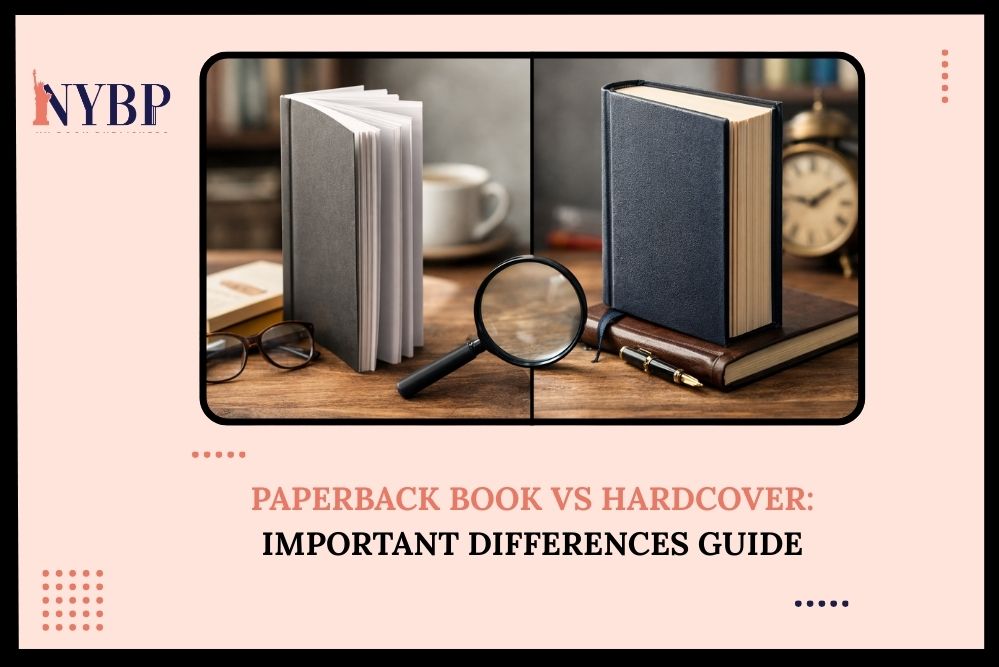
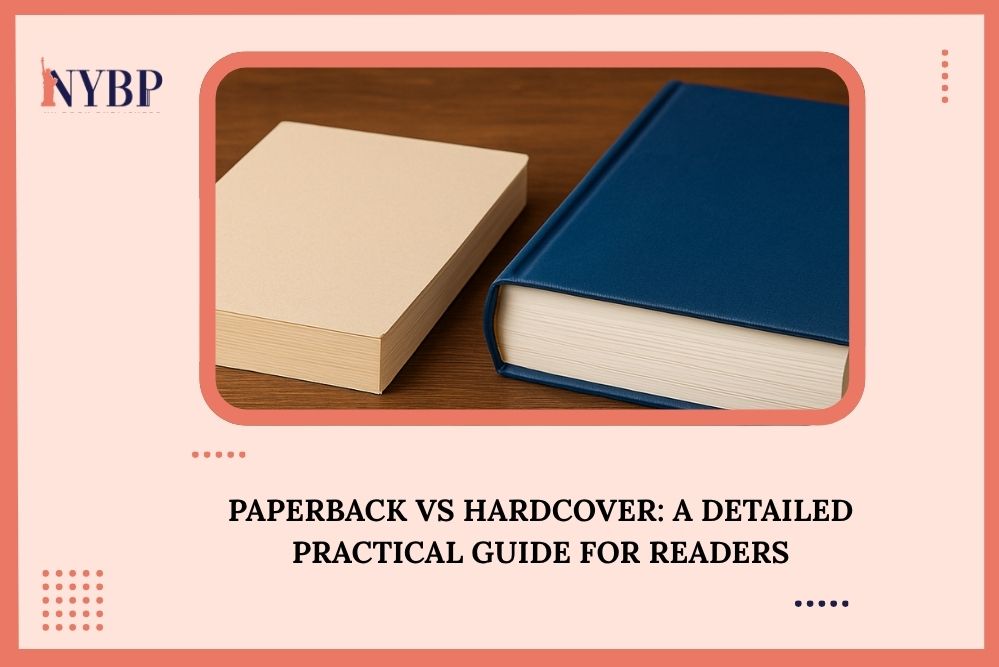
If you’ve ever stood in a bookstore debating paperback vs hardcover, you’re not alone. Book lovers face this question all the time. Some readers love the soft, flexible feel of a paperback. Others prefer the solid weight of a hardcover. Both have their charm. Both serve a purpose. But which one is right for you?
This guide breaks down the differences in a simple, honest way. No confusing publishing terms. No textbook language. Just real talk so you can make the best choice. We’ll look at comfort, cost, durability, the environment, and even which works better for authors.
By the end, you’ll understand the paperback vs hardcover difference clearly. And yes, we’ll also answer the classic question: Is paperback or hardcover better?
What Is Paperback?
A paperback is a book with a flexible soft cover. It’s usually printed on lightweight paper and bound with glue. Most novels, self-help books, and mass-market titles come in paperback because they are affordable and easy to carry.
When you hear someone mention “trade paperback” or “mass market paperback,” they’re talking about different sizes and formats. But the core idea stays the same. A paperback is simple, light, and designed for everyday reading.
Many readers love paperbacks because they feel casual. You can toss them in a bag. You can fold them (even though it hurts a little). You can read them anywhere without worrying about damage.
In short, paperbacks make reading easy and relaxed.
Pros Of Paperback
Paperbacks are easy to carry around, which makes them perfect for people who love reading on the go. You can slip one into a backpack, purse, or even a large pocket. They are lighter than hardcovers, so your hands don’t get tired while holding them for a long time. Another big advantage is the price. Paperbacks are usually much more affordable, which means you can buy more books for the same amount of money. They also take up less space on shelves, which is great if you have a small room or a growing book collection. Because they are lightweight and flexible, many readers choose them for travel, school, or everyday reading.
Cons Of Paperback
The main downside of paperbacks is durability. They can bend, crease, or tear easily, especially if they are carried around often. The cover and pages may curl, and the spine can crack over time. This makes them less suitable for collectors or readers who want their books to last many years. Paperbacks also do not have the same premium feel as hardcovers. They may not look as impressive when given as a gift or displayed on a shelf. While they are convenient, they are not the best choice if you want a book that stays in perfect condition for a long time.
What Is Hardcover?
A hardcover, also called a hardback, has a thick, sturdy cover made of cardboard or binder’s board. The pages are sewn or glued in place. Some include a dust jacket for extra protection.
Hardcovers are often the first format released when a new book comes out. Publishers choose this format for major launches, limited editions, and special collector copies. That’s because hardcovers feel prestigious and last longer.
They look great on a shelf. They make a strong impression as gifts. They stay in good condition even after many reads. A hardcover book feels like it’s meant to be kept, not just consumed.
Pros Of Hardcover
Hardcover books are made to last. They have strong covers, sturdy binding, and thick pages that can survive years of use. They also look and feel premium, which is why they’re popular for special editions, gifts, and collections. Many people enjoy the feeling of holding a hardcover because it adds weight and value to the reading experience. The pages stay secure and don’t tear easily, making them perfect for long-term storage and display. This durability is why libraries and serious book collectors often prefer hardcover books. If you want a book to stay beautiful for years, a hardcover is a smart choice.
Cons Of Hardcover
While hardcovers are durable, they are also heavier and harder to carry around. They don’t fit easily into a small bag, and holding one for long periods can be tiring. Hardcovers are also more expensive than paperbacks, which can be a drawback for readers on a budget. They take up more space—both on shelves and in luggage—so they aren’t always practical for travel or casual reading. Some people simply prefer something lighter and cheaper for daily use. A hardcover may last longer, but it isn’t always the easiest or most convenient choice for every reader.
Which One Should You Buy? Paperback Vs Hardcover
Choosing hardcover vs paperback depends on your reading style and priorities. There’s no universal right answer. It’s about what matters to you.
If you read on the go, paperbacks make life easier. They slip into small bags. You can read them comfortably in bed or on the train. They’re also great if you read fast and don’t need the book forever.
Hardcovers are better if you value durability. They look good on display. They’re ideal if the book has sentimental or research value that you’ll revisit later. They also work well if you want to gift a book, since they feel more premium.
Some people mix both. They buy hardcovers for favorite authors and paperbacks for casual reads. Others buy the paperback first and upgrade to hardcover later.
There’s also the emotional side. Hardcovers feel special, like an experience. Paperbacks feel more personal, like a friend.
Think about:
- Budget
- Portability
- Shelf space
- How long do you plan to keep the book
- Whether you collect books or just read and move on
The bottom line: both formats have their place. Choose the one that makes reading enjoyable for you.
Paperback vs Hardcover Differences
| Feature | Paperback | Hardcover |
| Cover Type | Soft, flexible | Hard, rigid |
| Weight | Lightweight | Heavier |
| Cost | Less expensive | More expensive |
| Durability | Can wear out faster | Long-lasting |
| Portability | Easy to carry | Less travel-friendly |
| Release Timing | Often released after hardcover | Usually released first |
| Lifespan | Short-term use | Ideal for long-term |
| Aesthetic | Casual and simple | Premium and collectible |
| Shelf Space | Takes less room | Requires more room |
| Best For | Everyday readers, travelers | Collectors, gifting, libraries |
Which Is More Sustainable for the Environment?
If you care about the environment, you might wonder which format has a greener footprint. The answer isn’t black-and-white.
Paperbacks use less material, so they require fewer resources to produce. They’re lighter, which means lower transport emissions. If a book ends up being read once, then donated or recycled, the paperback option reduces waste.
Hardcovers, however, last longer. You can read them for many years without replacement. They are also more likely to be kept, gifted, or resold instead of thrown away. A hardcover can serve dozens of readers over its lifetime.
The real environmental impact depends on how long the book stays in use. A paperback read once and tossed out is worse than a hardcover that gets reused for years.
Also, both types can be printed using recycled paper or eco-friendly inks. Many publishers, including NY Book Publishers, offer sustainable printing options.
In simple words, paperbacks are lighter on resources, but hardcovers are better for long-term use.
Paperback vs Hardcover: Market Appeal and Readers’ Perspective
When you walk into a bookstore or browse online, you’ll notice a quiet competition happening on the shelves — paperback vs hardcover. Both formats have loyal fans, and both play a unique role in the reading world. Understanding what readers look for can help you decide which format works best for you, whether you’re buying a book or preparing to publish one.
Many readers love paperbacks because they’re light, flexible, and easy to carry anywhere. The affordable price makes them even more appealing, especially for students, casual readers, and people who read on the go. They’re perfect for backpacks, purses, or even pockets. Paperbacks often give off a cozy vibe, the kind you take to the beach or read on a commute. They feel approachable and friendly.
Hardcovers, on the other hand, carry a different kind of magic. They look and feel premium, and people often treat them like treasure. If a reader wants to keep a book forever, a hardcover is usually the first choice. It holds its shape, protects the pages, and stays in good condition even after years of use. That’s why libraries and collectors often prefer them. Hardcovers also make wonderful gifts, and they look beautiful on a shelf.
Age, lifestyle, budget, and purpose all shape what readers choose. Teens and young adults might reach for paperbacks because they’re cheaper and easier to carry. Professionals, book clubs, or serious fans might lean toward hardcovers for their durability and display value.
In the end, it’s not about which format is “better.” It’s about which format meets the reader’s need at that moment. Some readers even buy both — a hardcover for the shelf and a paperback for everyday reading. That’s the real beauty of paperback vs hardcover — there’s space for both in the reading world.
As an Author: Which Cover Should You Choose to Publish?
If you’re an author, the hardcover vs paperback decision is huge. Your book format affects pricing, branding, and how readers perceive your work.
Paperbacks are perfect for first-time authors. They are cheaper to print, which means you can set a lower selling price. That makes it easier for readers to take a chance on your book. Most indie authors start with paperback and add hardcover later.
Hardcovers, however, add credibility. They signal that your book has value. If you’re writing a business book, memoir, or a book meant for gifting, a hardcover edition can make a big difference. Libraries and bookstores also prefer hardcovers.
Some authors release both. The paperback brings sales volume. The hardcover builds brand value and gives readers a collectible option.
Questions to ask yourself:
- Who is your audience?
- Will your book be used for study or display?
- Do you plan to sell in stores?
- Is your budget tight or flexible?
If you want to reach, go paperback. If you want prestige, choose hardcover. If you want the best of both worlds, do both.
NY Book Publishers Can Do Both Paperback and Hardcover
At NY Book Publishers, we support authors at every stage of their journey. Whether you prefer paperback, hardcover, or both, we offer professional printing and publishing services tailored to your goals.
We guide you from manuscript to final product. That includes editing, formatting, layout design, cover design, printing, ISBN, and distribution. You don’t have to figure everything out alone. Our team makes the process smooth and stress-free.
Want an affordable option? We create beautiful, high-quality paperbacks that fit your budget. Want a premium edition? We produce durable hardcovers that feel like a true work of art. You can even publish both formats and reach a wider audience.
We also help with book marketing so readers discover your book, no matter which format they choose. From Amazon listing to book launch strategy, our experts are here to support every step.
With NY Book Publishers, you get more than printing. You get a publishing partner who understands your vision.
Ready to Decide? Here’s Your Takeaway
Paperback and hardcover books both bring something special to readers. One is light, affordable, and easy to carry. The other is strong, long-lasting, and elegant. Your choice depends on what matters most to you. If you love comfort and portability, a paperback is perfect. If you want a keeper for your shelf, hardcover wins. Whether you’re a reader or an author, knowing the paperback vs hardcover difference helps you make smart decisions. And if you ever want to publish your own book, NY Book Publishers is here to help.
Frequently Asked Questions
Is paperback better than hardcover?
It depends on what you want. Paperback is cheaper and lighter. Hardcover is stronger and lasts longer.
Why do people prefer paperback books?
People like paperbacks because they are comfortable to hold, travel-friendly, and cost less than hardcovers.
What is paperback and hardcover on Amazon?
Paperback is the flexible softcover version. Hardcover is the solid case-bound version. Amazon usually lists both formats if available.
How to make a detailed checklist?
Break your tasks into sections, list them in order, and review one area at a time. A checklist helps you stay organized and avoid mistakes.
Why do people buy hardcover books?
They buy them for durability, display, gifting, and collecting. Hardcovers also feel more premium and last much longer.