Table Of Contents
- Intro
- What Are Dystopian Books? A Complete 2026 Modern Guide
- What Are Dystopian Books?
- Why Readers Love Dystopian Books
- Top Dystopian Books Worth Reading
- For Beginners:
- For Young Adults:
- For Literary Readers:
- For Thriller Fans:
- How To Write A Dystopian Book
- Elements To Add To Make A Dystopian Book A Hit
- Choose NY Book Publishers And Get Your Dystopian Book Without Any Stress!
- Closing
- Frequently Asked Questions
Intro
Imagine living in a world where every move is monitored, books are banned, or a powerful government decides your future. It sounds like something from a nightmare, yet millions of readers love exploring these fictional worlds. If you’ve ever wondered what are dystopian books, you’re in the right place.
Dystopian stories take readers into societies that appear broken, unfair, or dangerous. These books often explore issues like government control, technology, inequality, and survival. While the settings may seem extreme, many dystopian novels reflect real-world fears and challenges. From classics like 1984 and Fahrenheit 451 to modern hits like The Hunger Games, dystopian books continue to captivate readers because they make us think about the world around us. They entertain us while asking important questions about freedom, power, and humanity.
Whether you’re looking for your next great read or planning to write a dystopian novel of your own, understanding this genre can open the door to some of the most thought-provoking stories ever written. So, let’s dive deeper into the world of dystopian fiction and discover what makes these books so unforgettable.
What Are Dystopian Books?
So, what are dystopian books exactly?
A dystopian book tells a story set in a society where something has gone terribly wrong. The government may control people’s lives, technology may have become dangerous, or social systems may have created extreme inequality. These stories often focus on characters who challenge the rules and fight for change.
The word dystopian refers to an imagined society that is unpleasant, oppressive, or dysfunctional. Unlike a utopia, which represents a perfect world, a dystopia shows what can happen when power, fear, or greed take control.
Some of the most famous dystopian books include:
- 1984 by George Orwell
- Brave New World by Aldous Huxley
- Fahrenheit 451 by Ray Bradbury
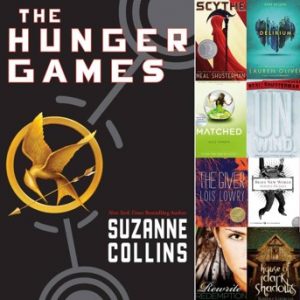
- The Hunger Games by Suzanne Collins
- The Handmaid’s Tale by Margaret Atwood
Although each story is different, they all explore the challenges of living in a flawed society.
Why Readers Love Dystopian Books
Dystopian novels remain popular because they combine suspense, action, and thought-provoking ideas. Many readers enjoy these stories because they place ordinary people in extraordinary situations. Characters often face impossible choices, dangerous governments, or harsh social systems. Watching them fight back creates tension and excitement.
Dystopian books also encourage readers to think about real-world issues. Topics such as censorship, surveillance, climate change, and social inequality often appear in these stories. Readers connect with these themes because they reflect concerns that exist in today’s world.
Another reason people love dystopian fiction is hope. Even in the darkest societies, characters often find courage, friendship, and resilience. Readers enjoy seeing individuals challenge powerful systems and fight for a better future.
Top Dystopian Books Worth Reading
For Beginners:
If you’re new to dystopian fiction, start with the following books that are easy to follow and highly engaging:
-
The Hunger Games by Suzanne Collins
This bestselling novel introduces readers to a society where young people must compete in deadly televised games for survival. The story blends action, emotion, and social commentary, making it one of the best starting points for new dystopian readers.
-
The Giver by Lois Lowry
This award-winning novel explores a seemingly perfect community where pain and conflict no longer exist. As the story unfolds, readers discover the dark secrets hidden beneath the surface, making it an excellent introduction to dystopian themes.
For Young Adults:
Young adult dystopian novels continue to attract millions of readers around the world.
-
Divergent by Veronica Roth
Set in a society divided into strict factions, this novel follows Tris Prior as she challenges the system she was born into. The book explores identity, courage, and individuality while delivering plenty of suspense.
-
The Maze Runner by James Dashner
A group of teenagers wakes up in a mysterious maze with no memory of their past. As they search for answers, they face dangerous challenges that keep readers hooked from beginning to end.
For Literary Readers:
Readers who enjoy deeper themes and social commentary may appreciate these classic dystopian novels.
-
1984 by George Orwell
One of the most influential dystopian books ever written, 1984 explores government surveillance, censorship, and the loss of personal freedom. Its themes remain relevant decades after publication.
-
Brave New World by Aldous Huxley
This classic novel imagines a future where technology and social conditioning control every aspect of life. It raises important questions about happiness, freedom, and individuality.
For Thriller Fans:
If you enjoy suspense, mystery, and fast-paced storytelling, these dystopian novels are worth adding to your reading list.
-
The Handmaid’s Tale by Margaret Atwood
Set in a totalitarian society, this novel follows a woman struggling to survive under a regime that controls every aspect of her life. The story is both gripping and thought-provoking.
-
Station Eleven by Emily St. John Mandel
After a global pandemic changes the world forever, survivors must rebuild their lives while facing new challenges. The novel combines suspense, mystery, and emotional storytelling in a unique dystopian setting.
How To Write A Dystopian Book
Writing a dystopian novel can be exciting because it allows you to create an entirely new world. Here are the key steps to get started.
Step 1: Create a Flawed Society
Every dystopian story begins with a society that has serious problems. Think about what has gone wrong. For example, in The Hunger Games, power is concentrated in the Capitol while the districts suffer. This imbalance drives the entire story.
Ask yourself:
- Who has power?
- Who suffers?
- What rules control society?
Step 2: Choose a Central Conflict
Readers need a problem to care about. Perhaps your main character discovers a government secret. Maybe they refuse to follow unfair laws. The conflict should challenge both the character and the system they live in. In 1984, Winston Smith struggles against a government that controls information and thought.
Step 3: Build a Memorable Main Character
Great dystopian stories need relatable protagonists. Readers connect with characters who feel trapped, curious, or determined to create change. Give your character clear goals and meaningful obstacles. Katniss Everdeen becomes memorable because she fights to protect the people she loves.
Step 4: Create Realistic Rules
Even fictional worlds need logic. Decide how your society works. Explain the laws, technology, social classes, and consequences for breaking rules. Consistent world-building helps readers believe your story.
Step 5: Show the Consequences
A dystopian society should affect everyday life. Show how people live, work, communicate, and survive. The more realistic the consequences feel, the more engaging the story becomes.
Step 6: Add Hope
Many successful dystopian novels include hope alongside hardship. Readers enjoy seeing characters challenge injustice and strive for a better future. Hope creates emotional balance and makes victories more meaningful.
Elements To Add To Make A Dystopian Book A Hit
Creating a dystopian world is only the beginning. The most successful dystopian novels have certain elements that keep readers invested from the first page to the last.
Strong World-Building
Readers should clearly understand how society functions and why it has become this way. Explain the rules, laws, social structure, and daily life within the world. A well-developed setting makes the story feel realistic and helps readers immerse themselves in the dystopian environment.
High Stakes
The consequences of failure should feel significant. Your characters should have something valuable to lose, whether it’s their freedom, family, identity, or even their lives. High stakes create tension and encourage readers to keep turning pages.
Emotional Characters
Readers connect with people, not just settings. Create characters with fears, dreams, strengths, and flaws. When readers care about what happens to the protagonist, they become more invested in the story’s outcome.
Relevant Themes
Many successful dystopian books explore issues that readers recognize from the real world. Topics such as government control, censorship, technology, environmental problems, and social inequality can make a story feel more meaningful and relatable.
Unexpected Twists
Surprising reveals and plot twists help maintain excitement throughout the story. However, the twists should make sense within the world you’ve created. A well-planned surprise can leave a lasting impression on readers.
A Unique Premise
The dystopian genre is highly competitive, so originality matters. Instead of repeating ideas that readers have seen before, look for a fresh angle or a unique problem within your fictional society. A distinctive concept can help your book stand out.
A Strong Villain or Opposing Force
Every great dystopian story needs a powerful obstacle. This could be an authoritarian government, a corrupt leader, an advanced technology system, or even society itself. A compelling antagonist creates conflict and pushes the main character to grow.
Hope Amid the Darkness
While dystopian stories often explore difficult situations, readers still need a reason to care about the future. Moments of hope, friendship, love, or resistance can balance the darker themes and make the story more emotionally satisfying.
A Meaningful Message
The best dystopian books do more than entertain. They encourage readers to think about society, human behavior, and the consequences of certain actions. A powerful message can make your story memorable long after readers finish the final chapter.
Choose NY Book Publishers And Get Your Dystopian Book Without Any Stress!
Writing a dystopian novel takes creativity, planning, and professional guidance. At NY Book Publishers, we help aspiring and experienced authors transform ideas into compelling books. Our team provides expert support with writing, editing, proofreading, formatting, cover design, and publishing services. Whether you’re creating a futuristic dystopian world or refining an existing manuscript, we help bring your vision to life while making the publishing process smooth and stress-free.
CLICK TO GET YOUR DYSTOPIAN BOOK
Close
Dystopian books continue to attract readers because they combine exciting stories with meaningful ideas. These novels explore flawed societies, powerful conflicts, and unforgettable characters while encouraging readers to think about the world around them. Whether you enjoy classic masterpieces like 1984 or modern favorites like The Hunger Games, the genre offers something for every type of reader. We hope this guide has helped you better understand what dystopian books are and why they remain such an important part of modern literature. Whether you’re searching for your next great read or planning to write your own dystopian novel, this genre offers endless opportunities for imagination, adventure, and thought-provoking storytelling.
Frequently Asked Questions
What Is the Main Purpose of Dystopian Literature?
The main purpose of dystopian literature is to explore social, political, or technological issues by showing the consequences of a flawed society. These stories encourage readers to think critically about freedom, power, inequality, and the choices that shape the future.
What Are the Common Themes in Dystopian Books?
Common themes include government control, censorship, surveillance, environmental destruction, social inequality, loss of freedom, and resistance against authority. Many dystopian novels use these themes to highlight real-world concerns and encourage discussion about society.
How Are Dystopian Books Different From Science Fiction?
Science fiction focuses on advanced technology, space exploration, or future possibilities. Dystopian books focus more on broken societies and their impact on people. While both genres may overlap, dystopian fiction emphasizes social and political consequences.
Why Are Dystopian Books So Popular?
Readers enjoy dystopian books because they combine suspense, action, and meaningful themes. These stories often feature ordinary people facing extraordinary challenges while exploring issues that feel relevant to modern life and future possibilities.
What Age Group Can Read Dystopian Books?
Dystopian books are available for different age groups. Some titles, such as The Giver and The Hunger Games, appeal to younger readers, while others contain mature themes designed for adult audiences and experienced readers.