
Overview
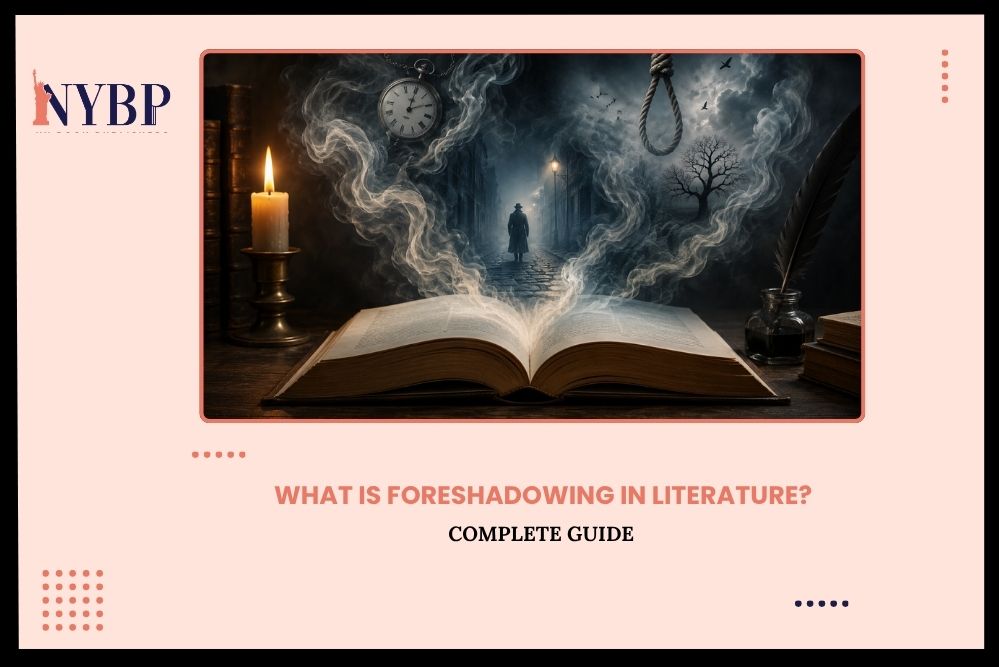
Have you ever finished a book and suddenly realized the author gave away the ending hundreds of pages earlier? Maybe it was a strange comment, a mysterious object, or a small detail that seemed unimportant at the time. Then, when the big moment arrived, everything clicked. This clever storytelling technique is called foreshadowing. If you’ve ever wondered what is foreshadowing in literature, you’re not alone. Writers have used it for centuries to create suspense, surprise readers, and make stories feel more satisfying. Some clues are easy to spot. Others hide in plain sight and only make sense after the story ends. From classic novels to modern bestsellers, foreshadowing helps authors keep readers curious. It encourages us to pay attention and rewards us when the pieces finally come together. In this guide, we’ll explore what foreshadowing means, the different ways writers use it, why it matters, and how you can add it to your own stories.
What Is Foreshadowing in Literature?
Simply put, foreshadowing is when a writer drops hints about something that will happen later in the story. These hints can be obvious or subtle. They may appear in dialogue, descriptions, symbols, dreams, or even the setting itself. Think of foreshadowing as a trail of breadcrumbs. The author leaves small clues along the way, guiding readers toward future events without revealing everything too soon.
For example, imagine a character saying, “I have a feeling this trip won’t end well.” At first, it sounds like a simple comment. Later, when something goes wrong, readers realize the author warned them from the start.
One of the most famous examples appears in Shakespeare’s Romeo and Juliet. Early in the play, Romeo hints that something terrible may happen. Readers may not think much of it at first, but those words take on a completely different meaning by the end of the story. The beauty of foreshadowing is that it makes major events feel earned rather than random. Readers enjoy the surprise, but they can also look back and see how the clues were there all along.
Types of Foreshadowing with Examples: Is There Only One Way to Create Foreshadowing?
Many new writers think foreshadowing works in only one way. In reality, authors use several different techniques.
Direct Foreshadowing
Direct foreshadowing happens when the author openly hints at a future event. For example, a character might say, “Tomorrow is going to change everything.” Readers immediately know something important is coming. The mystery lies in what will happen, not whether something will happen. This type of foreshadowing appears often in thrillers and mysteries because it builds anticipation quickly.
Indirect Foreshadowing
Indirect foreshadowing is much more subtle. Imagine a family preparing for a picnic. The sky is clear, everyone is excited, and everything seems perfect. Then the author casually mentions dark clouds gathering in the distance. Nothing bad has happened yet, but readers sense trouble ahead. This approach allows writers to create tension without drawing attention to the clue.
Symbolic Foreshadowing
Sometimes an object can foreshadow future events. A broken watch might symbolize lost time. A dying flower could hint at a relationship that is falling apart. In The Great Gatsby, the green light across the water symbolizes Gatsby’s hopes and dreams. It quietly prepares readers for the emotional journey ahead. Symbolic foreshadowing often adds deeper meaning to a story.
Prophetic Foreshadowing
This type uses dreams, visions, predictions, or prophecies. In Shakespeare’s Macbeth, the witches’ predictions shape the entire story. Their words hint at future events while creating suspense and uncertainty. Readers know something important is coming, but they don’t know exactly how events will unfold. So, is there only one way to create foreshadowing? Not at all. Writers often combine several techniques throughout the same story to keep readers engaged.
What Is the Purpose of Foreshadowing?
Foreshadowing does much more than hint at future events. One major purpose is to create suspense. Readers love feeling that something important is around the corner. Even a small clue can make them eager to keep reading.
Foreshadowing also helps stories feel more realistic. Imagine a shocking event that appears without warning. It may surprise readers, but it can also feel forced. When a writer plants clues beforehand, the event feels natural and believable. Another purpose of foreshadowing is emotional impact.
Think about Of Mice and Men by John Steinbeck. Early events involving Candy’s old dog quietly prepare readers for a heartbreaking moment later in the novel. The foreshadowing makes that scene even more powerful.
Foreshadowing also rewards attentive readers. People enjoy noticing clues they missed the first time. That’s one reason many readers return to their favorite books again and again. At its best, foreshadowing turns a good story into a memorable one.
How to Add Foreshadowing to Your Own Writing
Adding foreshadowing doesn’t have to be complicated. One of the easiest methods is through dialogue.
A character can make an unusual comment, express concern, or mention a possibility that becomes important later. You can also use the setting.
A sudden storm, an abandoned building, or an unusual sound can hint at future events while helping create atmosphere. Symbols work well, too. Perhaps a character repeatedly notices a cracked photograph. Readers may not immediately understand its significance, but the object can take on meaning as the story progresses. Another helpful technique involves character behavior.
Maybe a character constantly avoids discussing a certain topic. Readers become curious. Later, the reason for that behavior becomes clear. The key is balance. Foreshadowing should feel natural. Readers should notice the clue after the reveal, not because the author pointed directly at it. Plant the seed early, then allow the story to do the rest.
Common Mistakes Writers Make When Using Foreshadowing
Foreshadowing can make a story more exciting, but only when it is used correctly. A well-placed hint can build suspense and keep readers turning pages. However, some writers make mistakes that either reveal too much or confuse readers. Understanding these common errors can help you use foreshadowing more effectively in your own book writing.
Making Clues Too Obvious: One of the most common mistakes is making foreshadowing too easy to spot. If readers can predict every plot twist long before it happens, the story loses much of its suspense. Foreshadowing should hint at future events without giving away the outcome. Readers should feel surprised by the reveal while still being able to recognize the clues afterward.
Making Clues Too Vague: Some writers go in the opposite direction and make their hints so subtle that readers never notice them. When the story reaches an important moment, the connection feels weak because the foreshadowing was not clear enough. Good foreshadowing should make sense when readers look back on the story.
Using Too Many Hints: Foreshadowing is most effective when used sparingly. Filling every chapter with warnings, clues, or suspicious details can make the story feel repetitive. A few carefully placed hints usually create a stronger impact than constant reminders.
Poor Timing: Timing plays an important role in successful foreshadowing. If a clue appears only moments before a major reveal, it may feel forced. Readers should have enough time to absorb the hint before the payoff arrives.
No Payoff: Every important clue should lead somewhere. If a writer introduces foreshadowing but never explains its purpose, readers may feel confused or disappointed. The best foreshadowing creates a satisfying connection between earlier hints and later events. The best foreshadowing feels effortless. Readers only realize its importance after everything falls into place.
Ny Book Publishers. Helps Authors Strengthen Their Stories
Great stories keep readers turning pages because every detail serves a purpose. Foreshadowing is one of the many techniques that help create that experience. At nybookpublishers, our experienced writers, editors, and publishing professionals help authors build stronger plots, develop compelling characters, and create stories that leave lasting impressions. Whether you’re writing your first novel or refining your latest manuscript, our team can help bring your vision to life with professional guidance every step of the way.
To Sum Up
Understanding foreshadowing in literature can completely change the way you read and write stories. Those small clues, subtle hints, and carefully placed details often play a much bigger role than readers realize. Foreshadowing builds suspense, strengthens storytelling, and makes endings feel more satisfying. Whether it appears through dialogue, symbols, settings, or predictions, it helps connect every part of a story into a meaningful whole. The next time you pick up a novel, pay close attention to the little details. You may discover that the author has been quietly revealing the future from the very beginning. Once you understand foreshadowing in literature, you’ll start spotting it everywhere.
Frequently Asked Questions
What is foreshadowing in literature?
Foreshadowing is a literary technique that gives readers hints or clues about events that will happen later in a story. Writers use dialogue, symbols, settings, character actions, or small details to prepare readers for future developments. These clues may seem unimportant at first, but they gain meaning as the story unfolds. Foreshadowing helps create a stronger connection between different parts of a story and makes major events feel more intentional.
Why is foreshadowing important in storytelling?
Foreshadowing is important because it keeps readers engaged and invested in the story. It builds suspense by suggesting that something significant may happen in the future. It also helps stories feel more realistic and well-structured because major events do not appear out of nowhere. When readers reach the ending and recognize earlier clues, the story often feels more satisfying and memorable.
What are the different types of foreshadowing?
There are four main types of foreshadowing. Direct foreshadowing openly hints at future events through dialogue or narration. Indirect foreshadowing uses subtle clues that readers may only recognize later. Symbolic foreshadowing relies on objects, settings, or symbols to suggest future developments. Prophetic foreshadowing uses dreams, visions, predictions, or prophecies to hint at what is coming next. Writers often combine these techniques to create a richer reading experience.
How can readers identify foreshadowing in a story?
Readers can identify foreshadowing by paying attention to details that seem unusual or repeatedly appear throughout the story. Warning signs may include mysterious dialogue, recurring symbols, strange character behavior, predictions, dreams, or specific details that receive extra attention from the author. If something seems too important to ignore, it may be foreshadowing a future event. Looking back after finishing a story often makes these clues easier to recognize.
How does foreshadowing create suspense?
Foreshadowing creates suspense by making readers feel that something important is about to happen. Even a small hint can spark curiosity and encourage readers to keep turning pages. Readers begin asking questions and forming theories about what might happen next. This sense of anticipation keeps them emotionally invested in the story. The suspense becomes even more effective when the foreshadowing is subtle enough to surprise readers while still making sense when the reveal finally arrives.